
What's new at Kreatif design?
How to choose an architect and what information they need
06/03/2019
Every project you undertake – whether it’s building a house, renovating an apartment, or building or renovating any other building – will pay off the most if you find an architect – a designer for your building – very early on. The architect will almost certainly spend the most time with you and your project. From the very beginning and the first sketches to the final implementation, it makes sense to work with one person who has control over the project throughout the entire period. Because we often notice that investors have difficulty finding the right information and do not know what they need to start construction, we decided to write a short guide to the meeting with the architect.
We want to help investors to make more informed inquiries about the services of architects, because we notice that investors often do not have all the aspects explained to them, do not know what they need to start construction, and do not know how to most productively negotiate with the architect. From investors, the architect needs your wishes at the first meeting, review the options you have as an investor, and prepare an offer for you.
To ensure that communication between you and your chosen architect runs efficiently and smoothly, we have prepared a short list of things you can consider before your first meeting with the architect and ensure that the architect gets started on the project more quickly.
1. Location and ownership information
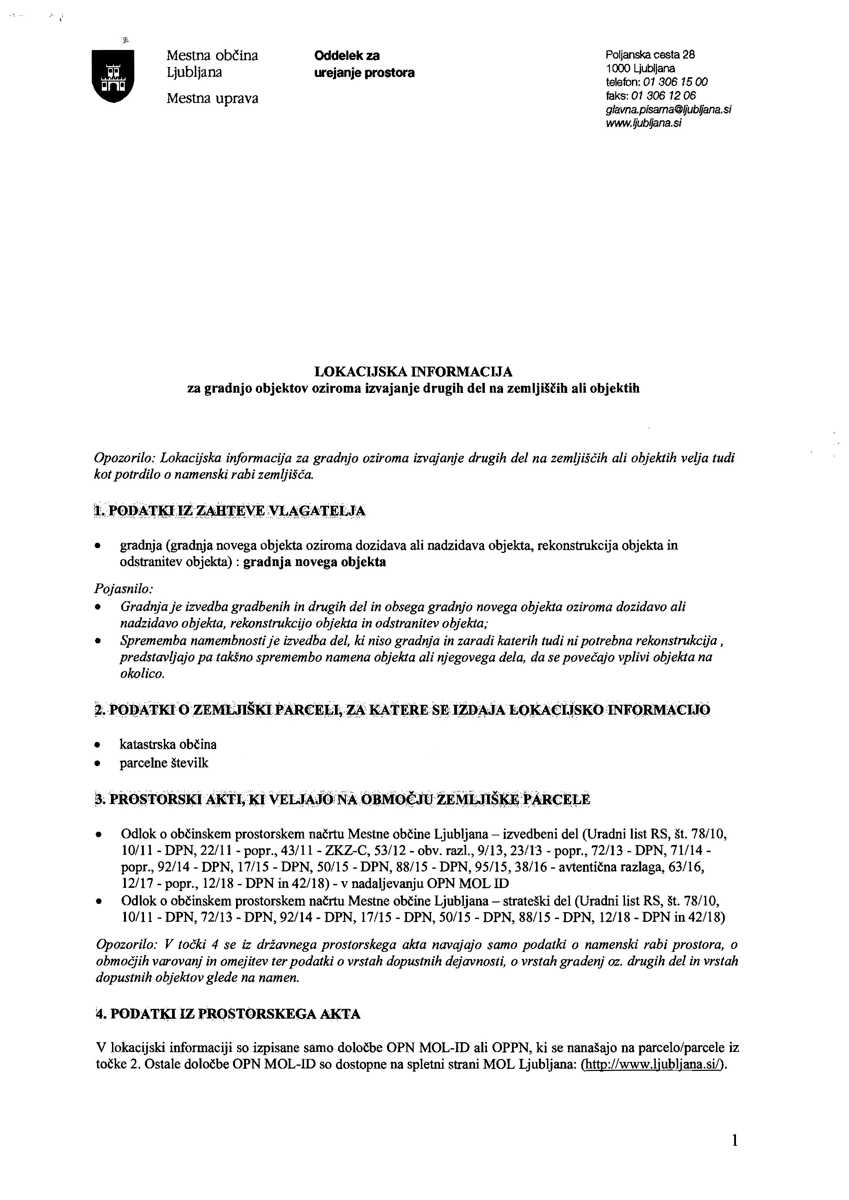
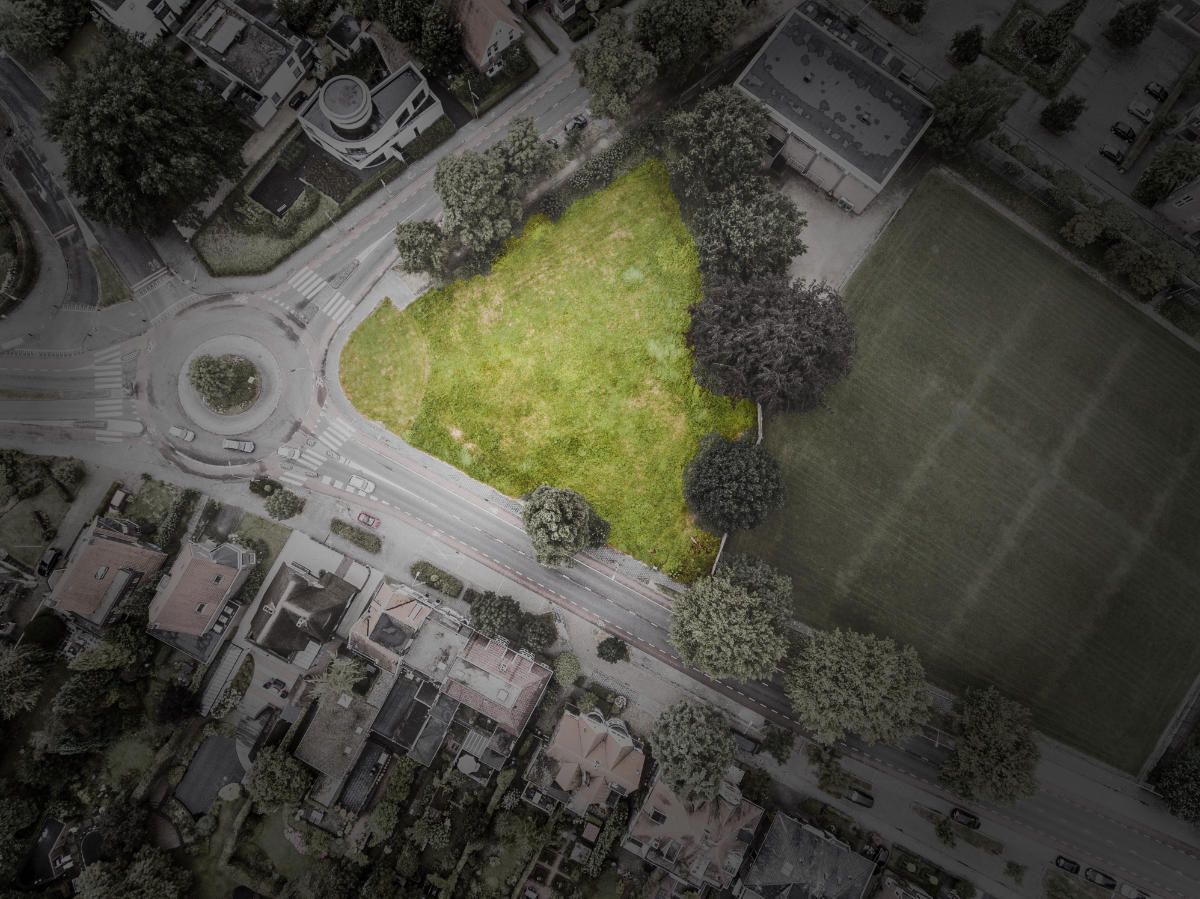
The exact location where you are planning a new building, reconstruction or other interventions on the facility is undoubtedly one of the most important things that the architect needs to find out from you during the first meeting.
It is easiest if you provide the architect with:
- Your parcel number
- Cadastral municipality
- As-is floor plan or old plan
If you need a building permit:
- Location information (order from the relevant municipal administration, or we can do this for you)
- Survey record (made by a surveyor)
All of the above documents are required for all buildings that require a building permit. This information will allow the architect to check in advance for any restrictions on the location, in accordance with applicable regulations, and the area in which the construction will take place.
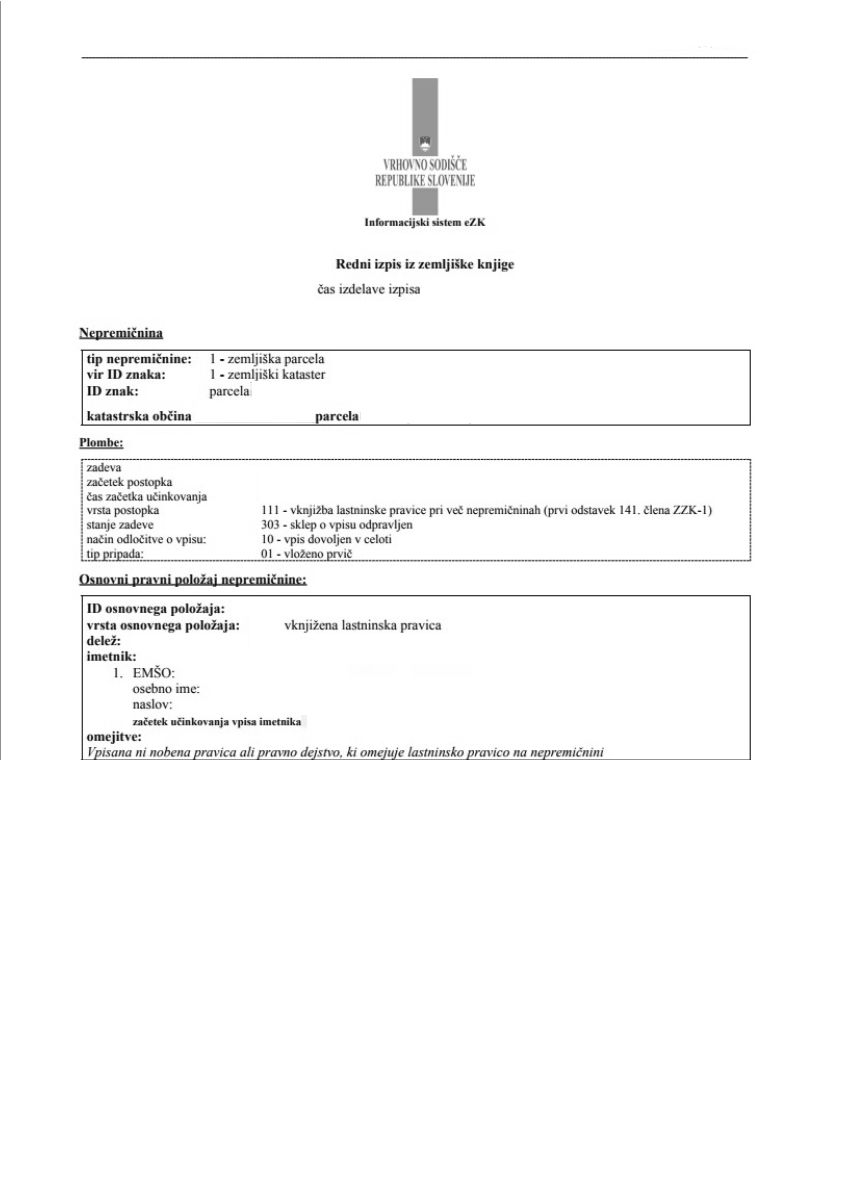
However, it is recommended to have the ownership documentation or land registry entry in order before the meeting, thus ensuring that the ownership is fully regulated before the renovation or construction begins.
2. Goals, desires, visions, ideas
Before starting the project itself, summarize your wishes, ideas and ideas into a single final goal that will satisfy all your family members. Try to imagine what the size would be, what rooms you need, in short, try to think of as many details as possible that you like and would like in the design of your house.
It would be best if you condensed all this information and the ideas of your family members into some kind of description – this can be just a rough sketch or you can bring with you photos of other comparable objects or details that you like. This way, you and the architect will complete the design part of the project faster, and move much faster towards the actual realization of your idea.
3. Time and financial framework
It is important to consider before starting the project when you would like to start construction and by when you expect all the project documentation to be in order and all the necessary permits to be prepared. For example, obtaining a building permit takes at least 3 months and can take up to a year, so it is necessary to keep this in mind when embarking on such an investment. We definitely advise you not to start construction of the facility before obtaining all the appropriate documentation.
The time to obtain the aforementioned documents and building permits depends on:
- Project Types,
- Approvers
- Project Locations
Of course, before starting the design process, it is also wise to consider the target value of the project, your financial capabilities, and the amount of investment you are willing to make to build your house. Determine a rough estimate that you will give to your architect and within which he will have to work throughout the entire project. The architect is strictly dependent on your financial framework, as he will look for all architectural solutions within it.
4. Obtaining all permits
Project phases depending on the type and scope of the facility:
1. Conceptual design (CD):
In the preliminary design, the architect creates a drawing of the building that is in line with the wishes and needs of the client as well as with the requirements of the spatial plan in the area of the planned construction. In this part, the architect also defines all connections to the municipal infrastructure.
2. Project for building permit and obtaining opinions (DBP):
To build a house, you need a building permit, and to get one, you have to submit a project to the administrative unit for obtaining a building permit or DBP.
It consists of:
- House plan,
- Survey plan,
- Demonstration that the house complies with the spatial plan and any other such requirements,
- Consent for connection to the municipal infrastructure
- Declaration of the responsible designer on mechanical resistance and stability,
The architect also involves other experts in the preparation of the DBP, such as a structural engineer, but it is wise to plan for an easy transition to the PI phase in the DBP phase, so it makes sense to involve a mechanical engineer and an electrical engineer already at this stage.
3. Project to be implemented (PPI):
The next project that the designer does is the preparation of the project for implementation or PPI.
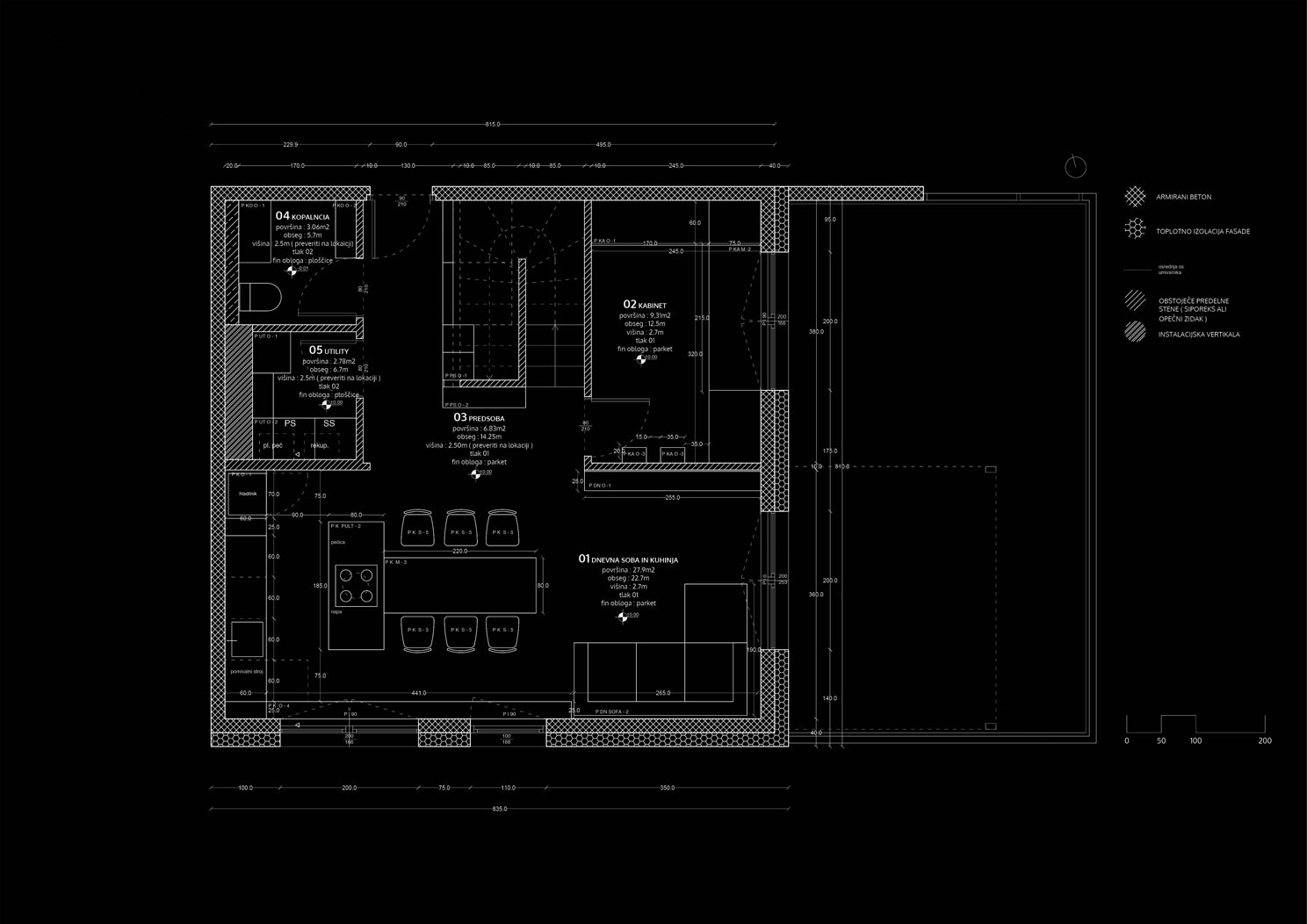
This is an upgrade of the DBP, which specifies details that were not required to obtain a building permit, but are mandatory for the construction of the facility. It is intended for obtaining bids for implementation (list of construction and trade works) and the selected construction contractor.
PPI contains:
- Detailed plans of technical solutions and details that upgrade individual project plans for obtaining a building permit
- Architectural details
- List of static, electrical and mechanical installation works
- List of construction works,
- Electrical wiring plan
- Mechanical wiring plan
- Details of thermal insulation, waterproofing, septic tanks, shafts, windows, doors, stairs, electrical, plumbing and other installations.
The PI also contains a detailed inventory of materials and estimated values of individual works, which means that the investor can, based on the inventory, compare the actual installed quantities of materials and labor consumed, as calculated by the contractor, with the planned quantities, as predicted by the architect, and thus supervise the work of the contractors.
4.Project of completed works (PCW):
The project of completed works (PCW) is a project for implementation, supplemented by a display of all possible changes and deviations of the actually completed works from the state as foreseen in the project for obtaining a building permit (DBP) and the issued building permit. It is intended for the administrative procedure for obtaining a use permit.
In the event that there were no deviations from the project for obtaining a building permit during construction, the project of completed works is in substance completely identical to the project for obtaining a building permit, with a written statement from the architect and supervisor and the responsible project manager. With the acquisition of a use permit, construction is completed.
5. What does the architect expect from me at the first meeting?
If you have chosen as your architect Kreatif architect, then you will definitely be taken care of at your first meeting. We understand that our clients are not architectural professionals and that the information they need for their first meeting with us is not always readily available.
Therefore, at Kreatif Design we strive to study the needs of our clients in detail and put the search for creative solutions at the forefront. We will always prepare the best offers for you, look for the best architectural solutions and test various functional and spatial solutions. We will combine this in aesthetic perfection, with a touch of indispensable ergonomics.
Kreatif arhitekt will prepare a project for you that will satisfy or even exceed the expectations of the client and all of their family members and will carry out the entire project within the client’s financial framework.
- CONTACT
- 031 345 400
- info@kreatif-design.com
- ADDRESS
- Sinja Gorica 105b
- 1360 Vrhnika
- Slovenia
ALL RIGHTS RESERVED 2024 KREATIF DESIGN